How to Order a Multi-Course Meal at Duong Restaurant Saigon
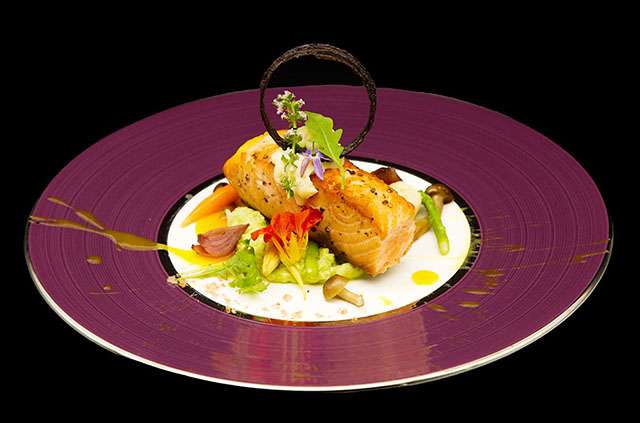
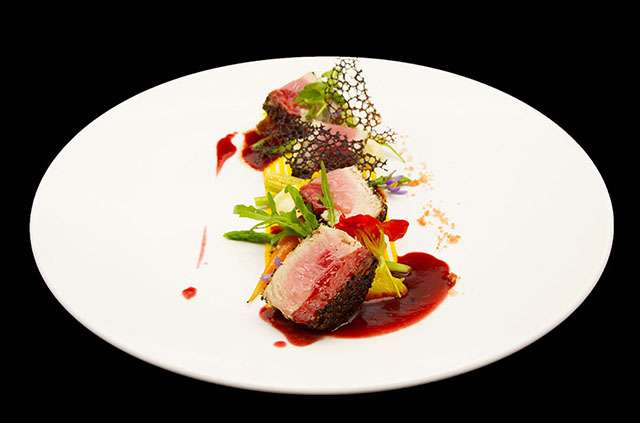
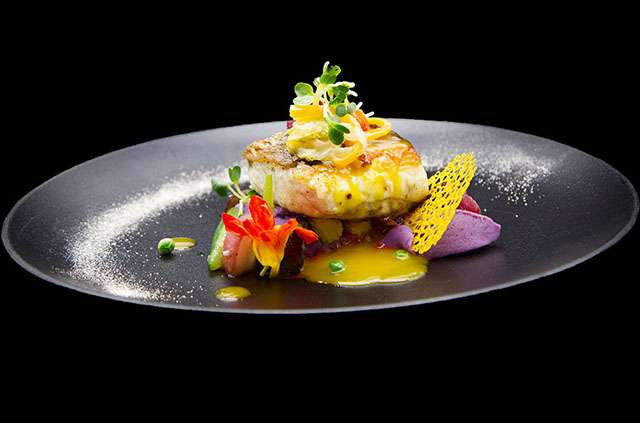
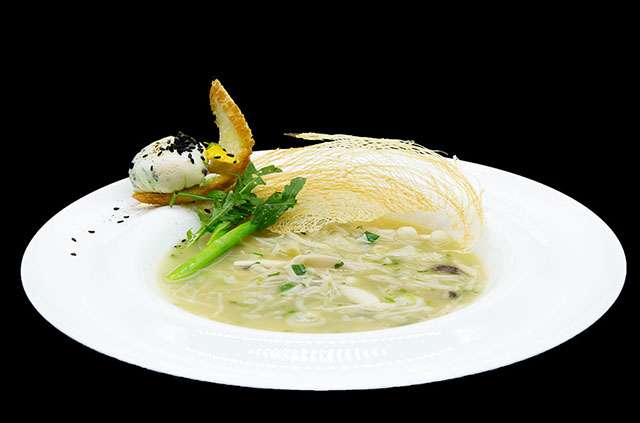
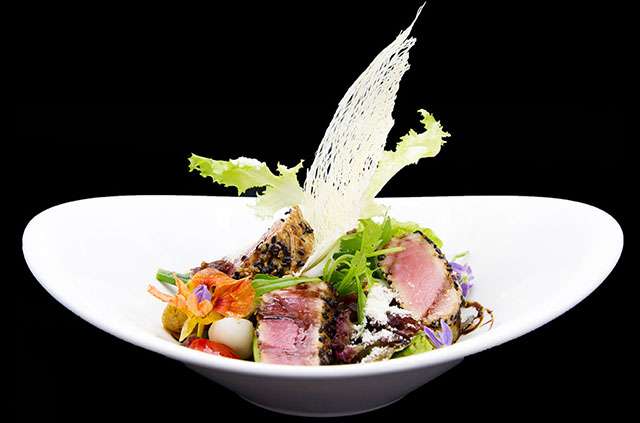
A multi-course dinner at Duong Restaurant Saigon is best enjoyed as a paced experience rather than a race through the menu. The restaurant’s Vietnamese and French influences create plenty of tempting choices, from delicate salads and seafood to rice noodle beef rolls, tuna steak and comforting mushroom soup.
For Australian diners, the format may feel familiar if you are used to sharing several dishes at a Melbourne or Sydney restaurant. The main difference is that Vietnamese-inspired cooking can combine fresh herbs, noodles, vegetables, sauces and rich proteins in ways that become filling quickly.
A little planning helps you enjoy the chef-led menu without ordering too much. Aim for contrast, allow time between courses and treat the meal as a progression of flavours rather than a collection of individual dishes.
The restaurant’s cosy setting on Dong Du Street also makes it suitable for a relaxed evening after exploring District 1. A thoughtful order leaves room for conversation, dessert and a comfortable walk afterwards.
Start With Your Appetite And Timing
Begin by considering when you are dining. A late lunch, a humid day of sightseeing or an afternoon snack can make a full dinner feel excessive. Australians often eat dinner relatively early compared with some European dining cultures, so a 6pm booking may call for a lighter opening course, while a later reservation may suit a more substantial first plate.
Give yourself enough time for the meal to unfold. Rather than ordering every course immediately, ask the team about serving sizes and the kitchen’s recommended sequence. This is especially useful when dining as a couple, since a dish that sounds modest on paper may be generous once accompanied by herbs, sauces or vegetables.
Build A Balanced Order
A sensible multi-course meal usually needs one refreshing beginning, one main protein focus and a modest accompaniment. For two people, sharing a starter and one vegetable or soup course can create variety without doubling the amount of food. Rice noodle beef rolls, a salad or mushroom soup can provide different textures before a richer seafood or tuna dish.
Avoid choosing several heavy dishes with similar profiles. Tuna steak alongside another dense seafood plate and a large noodle-based course may leave little room to appreciate the menu. If one main is particularly appealing, let it lead the meal and keep the other courses bright and restrained.
Use this simple ordering guide when discussing the menu:
- Choose one fresh or aromatic starter to awaken the palate.
- Add one soup, salad or vegetable-based dish for balance.
- Select one principal protein to share or enjoy individually.
- Order extra noodles, rice or sides only after judging the first courses.
- Leave dessert undecided until the main course is nearly finished.
For a group, assign roles rather than ordering several versions of the same dish. One guest might choose seafood, another tuna, while the table shares vegetables and soup. This approach resembles the communal style many Australians enjoy at contemporary Asian restaurants, while keeping the overall meal manageable.
Let Seasonal Produce Shape The Meal
Seasonality is a useful guide when the menu offers several attractive choices. Fresh produce can bring acidity, crunch and fragrance to the table, helping balance richer preparations. Duong’s explanation of its seasonal produce sourcing can give diners useful context before they select vegetables, salads or changing specials.
Ask which ingredients are particularly good that day instead of treating the printed menu as fixed. A seasonal vegetable dish may be a better complement to a rich tuna course than another protein. It can also make the meal feel more connected to southern Vietnam’s climate and produce markets.
Australian diners are often accustomed to clear menu descriptions because allergen information and food labelling are carefully regulated under the Australia New Zealand Food Standards Code. In Saigon, communicate allergies and dietary requirements directly and early; do not assume that a familiar ingredient is prepared in the same way as it would be at home. Gluten, shellfish, peanuts, fish sauce and dairy all deserve specific clarification.
Pair Drinks With Restraint
Drinks can change the pace of a meal as much as the food. Start with water and consider a light aperitif or a single wine pairing rather than ordering several alcoholic drinks before the first course arrives. In Australia, responsible service of alcohol rules mean staff may refuse service to an intoxicated guest, and similar moderation is sensible when travelling.
A crisp, dry drink can suit herbs, salads and seafood, while a fuller option may work better with grilled or seared proteins. If you are choosing tuna, the restaurant’s information about sustainable tuna sourcing offers helpful background before making it the centrepiece of your order.
Humidity and walking around Ho Chi Minh City can also make alcohol feel stronger than expected. Alternate alcoholic drinks with water, especially if you have spent the day sightseeing. Guests returning to Australian cities such as Brisbane or Perth may be used to driving after dinner, but in District 1 it is wiser to arrange a taxi or ride-hailing service if drinking.
Match Dinner To Your Evening
Your dining plan should fit the rest of your itinerary. A large tasting-style meal may be ideal when Duong is the main event, but it can be too much before a long evening walk or another reservation. Keep the meal lighter if you plan to explore the riverside, browse nearby streets or visit a late-night venue.
For visitors interested in history, the Reunification Palace is a practical District 1 landmark to visit before dinner. After several hours of walking, a soup, salad and shared main may be more comfortable than a lengthy sequence of rich dishes. If the restaurant is the highlight of the evening, arrive rested and allow roughly two hours for an unhurried meal.
| Dining situation |
A suitable approach |
What to limit |
| Two guests with moderate appetites |
Shared starter, soup or salad, one main each or one larger main |
Multiple noodle and rice sides |
| Two hungry guests |
Fresh starter, vegetable course, two contrasting mains |
Repeating similar seafood dishes |
| Small group |
Two starters, one shared vegetable dish, varied mains |
One full portion per person of every course |
| Light dinner after sightseeing |
Soup or salad, one shared protein, water or a light drink |
Heavy sides and several alcohol servings |
| Special occasion |
Gradual ordering, seasonal recommendation, dessert after a pause |
Ordering the entire meal before tasting the first course |
The best way to order a multi-course meal at Duong Restaurant Saigon is to leave space for adjustment. Begin with enough food to establish variety, listen to the staff’s advice and add a side only if the table genuinely needs it. Reserve your evening, mention dietary requirements when booking and let the restaurant’s seasonal Vietnamese-French cooking set the pace.