The Art of Caramel Desserts at Duong Restaurant Saigon
Caramel is far more than melted sugar. In a thoughtful dessert, it brings bitterness, fragrance, colour and a gentle savoury edge, creating a final course that feels both familiar and surprising. At Duong Restaurant Saigon, this ingredient suits the restaurant’s Vietnamese and French approach, where classic technique meets the flavours of the city.
Located on Dong Du Street in District 1, the restaurant offers an intimate setting for an evening meal. After exploring the Opera House, Nguyen Hue Walking Street or the boutiques around central Saigon, diners can settle into a chef-led menu that gives each course room to breathe.
For Australian visitors, the experience feels comfortably polished without becoming stiff. Melbourne diners may recognise the pleasure of a considered laneway restaurant, while Sydney guests accustomed to harbour-side dining will appreciate the relaxed pace and attention to atmosphere. Clear menu pricing is useful for travellers used to Australian GST-inclusive prices, and tipping in Vietnam is generally discretionary rather than an automatic expectation.
A caramel dessert provides a particularly memorable ending because it speaks across cultures. The deep sweetness recalls Vietnamese caramel cooking, while the refined plating and layered textures reflect French pastry traditions. It is the kind of dish that rewards lingering over coffee rather than rushing towards the next stop.
| Dessert element |
Sensory effect |
Vietnamese-French connection |
Best enjoyed with |
| Burnished caramel |
Toasted sweetness and light bitterness |
French confectionery technique |
Vietnamese coffee |
| Coconut or tropical fruit |
Freshness and acidity |
Saigon produce with modern presentation |
Herbal tea |
| Cream, mousse or custard |
Softness and richness |
Classic French pastry foundation |
A small dessert wine |
| Crisp garnish |
Contrast and movement |
Contemporary fine-dining finish |
A slow final course |
Where Caramel Meets Saigon
Caramel has a strong place in Vietnamese cooking, from the dark sauce used in savoury braises to the glossy sweetness found in street-side treats. Its appeal lies in contrast: a little bitterness keeps sweetness focused, while a warm toasted note gives the dish depth.
At Duong Restaurant Saigon, that profile can be shaped into a more delicate dessert experience. A caramel glaze, tuile, mousse or sauce may sit alongside tropical fruit, coconut, coffee or a lightly salted cream, allowing the dish to suggest Saigon without becoming heavy. Diners looking for short-form food inspiration will find that the most photogenic moment is often the pour of warm caramel over a cool or crisp element.
Balance Beyond Sweetness
The best caramel dessert does not taste like a bowl of sugar. The pastry team needs to control the cooking point carefully, taking the syrup far enough to develop roasted flavour while stopping before the bitterness overwhelms the plate.
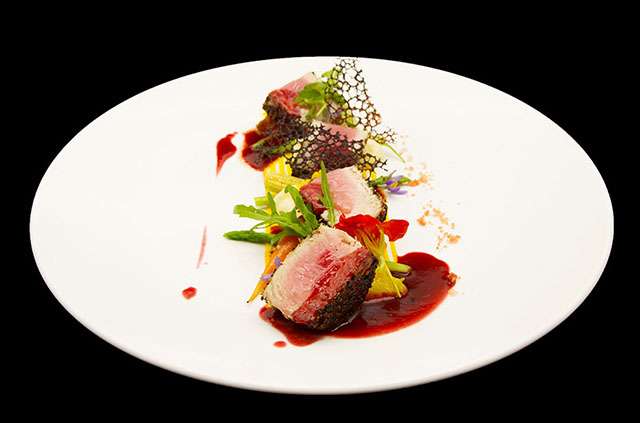
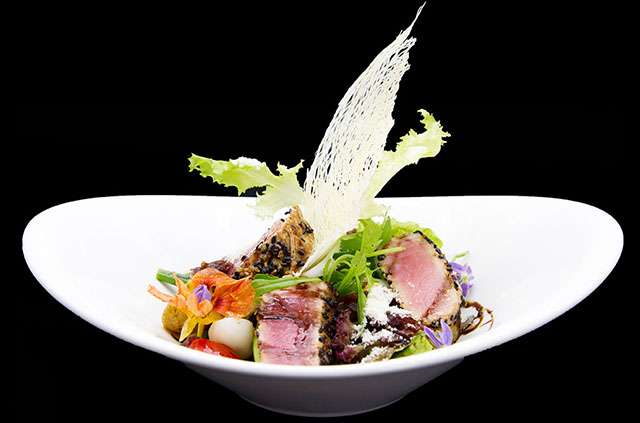
Acidity is essential. Lime, passionfruit, pineapple or a subtly tart berry can brighten the finish, while sea salt makes the caramel taste fuller with a smaller amount. This balance suits Australian palates, where diners often favour desserts that are elegant and restrained rather than intensely sweet. It also makes the final course feel appropriate after seafood, salads or a rich tuna steak.
Texture Is Part Of The Craft
A successful plated dessert changes as it is eaten. Silky custard may meet a brittle caramel shard, soft fruit, a cold ice cream or a fine crumb. Each mouthful offers a new proportion, so the experience stays engaging from the first taste to the last.
Temperature adds another layer. Warm sauce against chilled cream creates immediate contrast, while a crisp element gives the dessert a clean finish. Duong’s wider cooking philosophy can be understood through its attention to aromatic detail, including the use of smoked ingredient guide. That same awareness of aroma helps caramel feel rounded rather than one-dimensional.
French Technique, Vietnamese Memory
French pastry contributes precision: controlled sugar work, smooth creams, neat garnishes and a composed presentation. Vietnamese inspiration brings a more relaxed sense of fragrance and seasonality, with ingredients such as coconut, pandan, coffee, sesame, banana or tropical fruit providing a recognisable local voice.
The result does not need to imitate a traditional Vietnamese sweet or a classic French brûlée. It can borrow from both. Even the restaurant’s approach to signature sauce techniques reflects the value of building flavour in layers, an idea that carries naturally into dessert sauces and caramel reductions.
Pairing The Dessert With The Evening
Dessert is best considered as part of the whole dining rhythm. A lighter caramel creation may follow a seafood-led meal, while a deeper coffee or chocolate variation can close a longer tasting experience. Asking the team about portion size and pairings is worthwhile, especially when the menu changes with available ingredients.
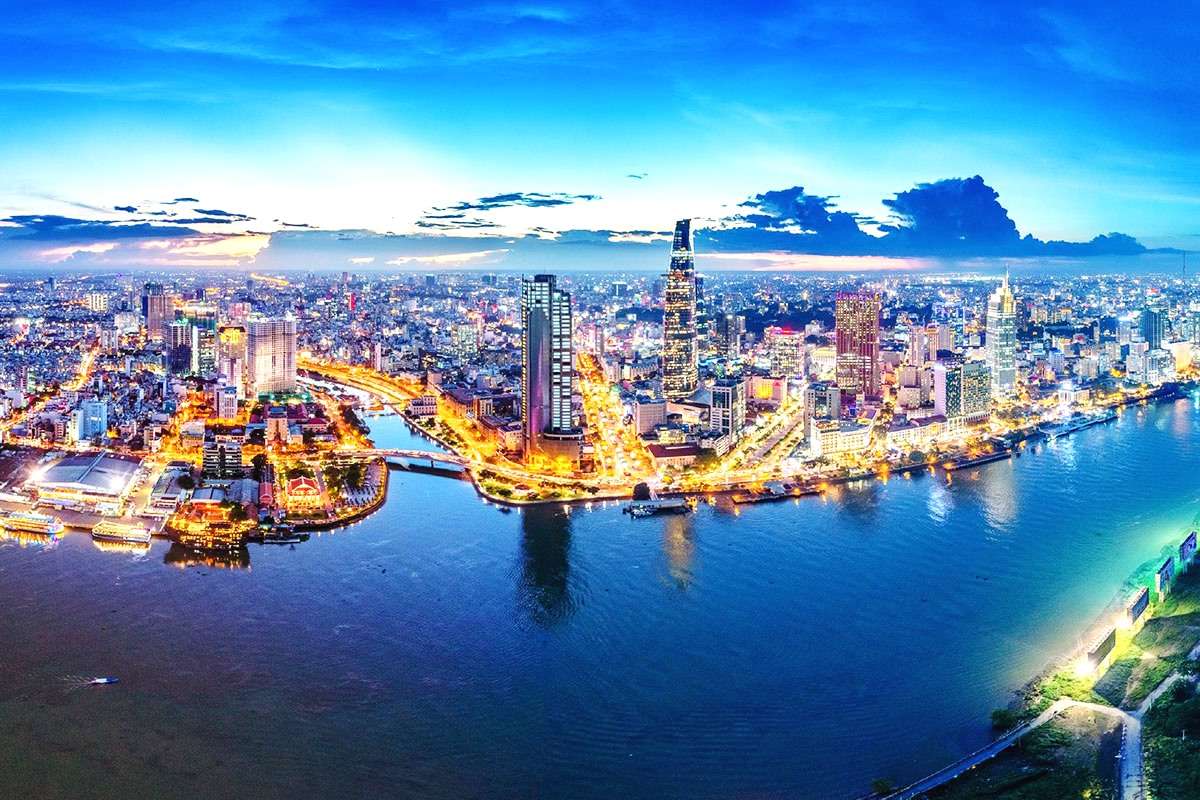
The restaurant’s Dong Du Street location also makes the final course easy to connect with an evening in District 1. Guests can take a gentle post-dinner walk through the bright central streets, or linger over the city lights from the dining area. The atmosphere is especially appealing around dusk; these sunset dining views add a visual finish to a meal already built around colour and warmth.
A Sweet Finish Worth Remembering
For travellers from Australia, a caramel dessert at Duong offers a welcome change from familiar pavlova, lamingtons or sticky date pudding while still sharing their essential comfort: sweetness shaped by texture and warmth. It feels special enough for a celebration, yet approachable enough for a relaxed night out during a Ho Chi Minh City stay.
A pre-dinner wander can make the occasion feel even more personal. Visitors who enjoy browsing independent shops or finding a quiet literary stop might add a quiet reading stop to their travel planning, then return to District 1 for dinner. The contrast between the city’s lively streets and the restaurant’s composed interior makes the final caramel course feel like a deliberate pause.
Reserve a table at Duong Restaurant Saigon on Dong Du Street and make room for dessert. Pair the chef-led menu with an unhurried evening, a Vietnamese coffee or tea, and enough time to notice the caramel’s changing balance of toast, cream, fruit and fragrance.