Finding Your Ideal Seat at Duong Restaurant Saigon
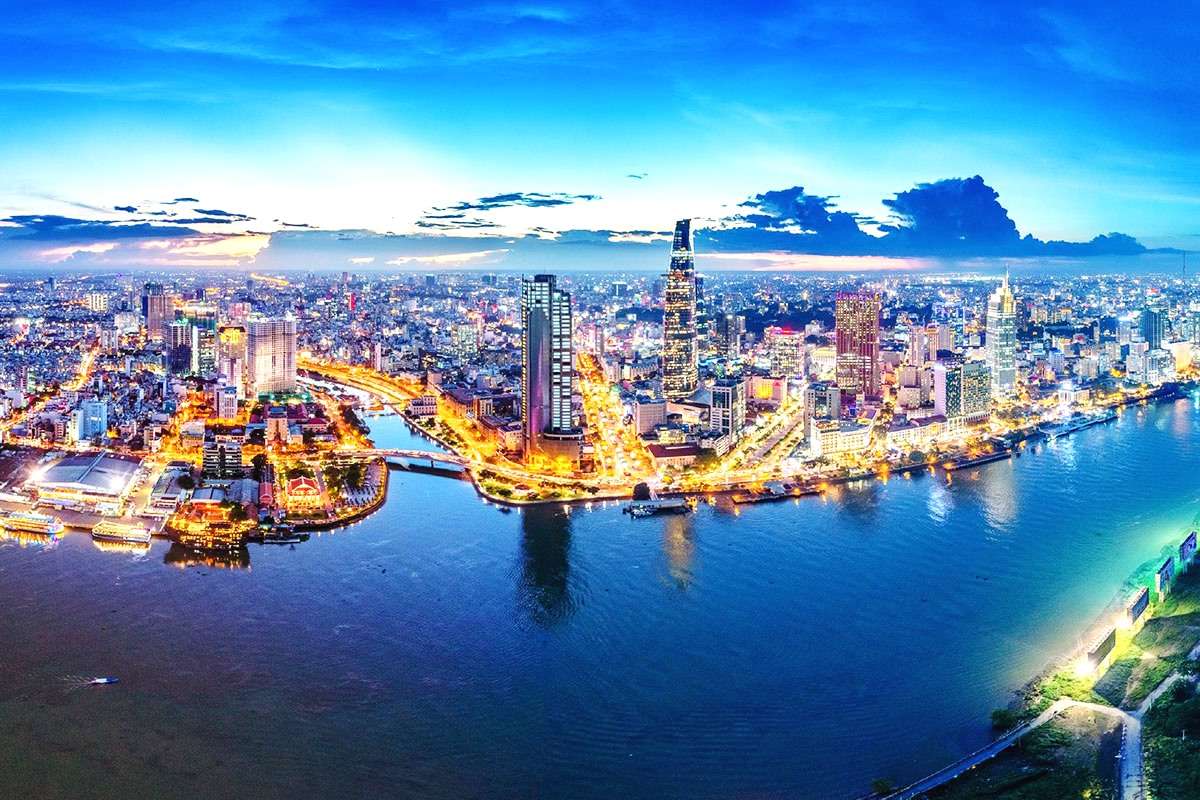
Choosing where to sit can shape an entire evening at Duong Restaurant Saigon. On Dong Du Street in District 1, the restaurant offers a comfortable setting for a relaxed meal, whether you are sharing Vietnamese-inspired dishes with friends, arranging a quiet dinner, or observing the energy of central Ho Chi Minh City.
The best position depends on your purpose. A table farther inside is generally more suitable for an intimate conversation, while a seat near the frontage may give you a livelier view of pedestrians, scooters, and the changing rhythm of the street. Since the dining room can vary with reservations and service arrangements, it is sensible to state your preference when booking.
For Australian travellers accustomed to planning restaurant visits in Sydney, Melbourne, Brisbane, or Perth, a small seating request can make a meaningful difference. It is also worth remembering that Vietnamese dining often combines shared plates, contrasting textures, and attentive table service, so a little extra space can be valuable when several dishes arrive together.
| Seating preference |
Best suited to |
What to request |
Possible trade-off |
| Inner dining area |
Quiet conversations |
A table away from the entrance and service path |
Less street activity to watch |
| Near the front |
People watching |
A seat with a view towards Dong Du Street |
More movement and ambient noise |
| Corner or wall-side table |
Couples and focused dining |
A table with one side against the wall |
May have a limited view |
| Central table |
Groups and social meals |
A table with room for shared plates |
Conversation may feel less private |
| Flexible table selected by staff |
Special occasions |
Quiet placement with comfortable spacing |
Exact location depends on the evening |
The Quietest Position For Conversation
For a low-key dinner, ask for a table inside the dining room, away from the entrance, bar area, and main route used by servers. These locations tend to reduce interruptions and make it easier to hear one another while discussing the menu, travel plans, or the day’s sightseeing around District 1.
A corner or wall-side table can feel particularly comfortable for two people. It gives one diner a calmer visual background and reduces the sensation of being surrounded by passing guests. If you are travelling from Australia and prefer the unhurried style of a long lunch or early dinner, mention that you would value a quieter position rather than simply requesting “the best table.”
Where To Watch Saigon Go By
A front-facing seat is more appropriate for diners who enjoy people watching. Dong Du Street offers a close view of everyday city movement, from pedestrians heading between hotels and shops to scooters passing through the central streets. The visual interest is strongest around the early evening dining period, when the city shifts from daytime errands to dinner and nightlife.
This setting suits travellers who enjoy a meal with a sense of place. It can also be a good choice for solo diners, since the street view provides a natural focus between courses. Australian visitors familiar with café culture and busy footpaths in Melbourne or inner Sydney may appreciate this lively connection to the neighbourhood.
Choosing A Table For A Romantic Dinner
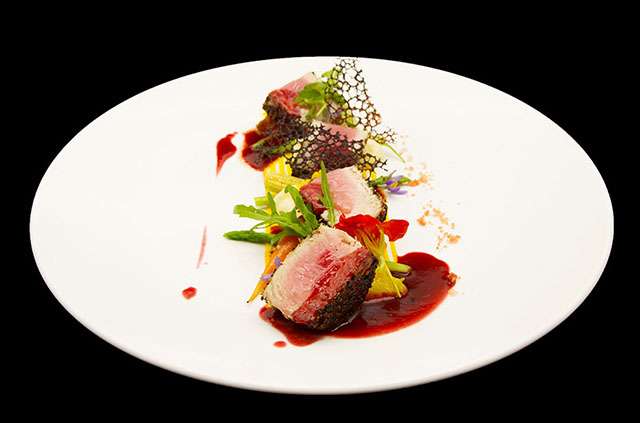
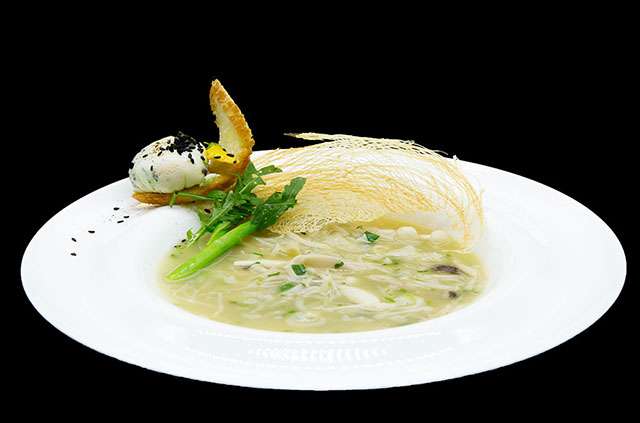
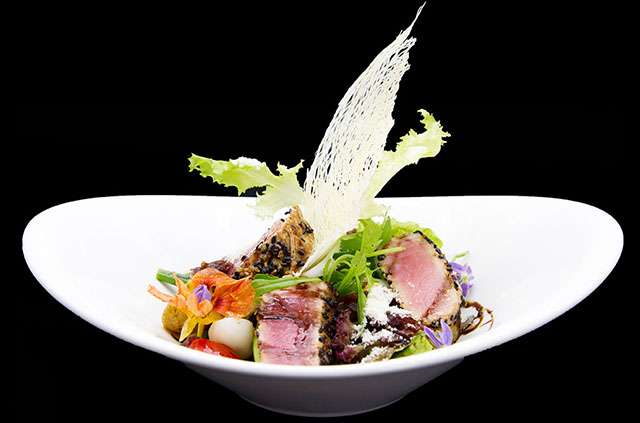
Couples usually benefit from a table with comfortable spacing and a clear view of one another. A side table or quieter corner can create a more personal atmosphere, especially when ordering several courses such as mushroom soup, salad, seafood, or a tuna steak to share and discuss.
Ask whether the restaurant can place you away from larger groups and the busiest service lane. While no seating request can guarantee complete silence, staff can often guide you towards the most suitable available position. For a special occasion, booking ahead is particularly useful because the preferred tables may already be reserved.
A Good Spot For First-Time Diners
If this is your first visit, a central or slightly forward table can make the menu and service easier to experience. You will be well placed to observe how dishes are presented, how shared plates are arranged, and how the dining room flows. Guests unfamiliar with using both Vietnamese chopsticks and French-style cutlery may also find the staff’s rhythm reassuring; this cutlery and chopsticks guide offers useful preparation before arriving.
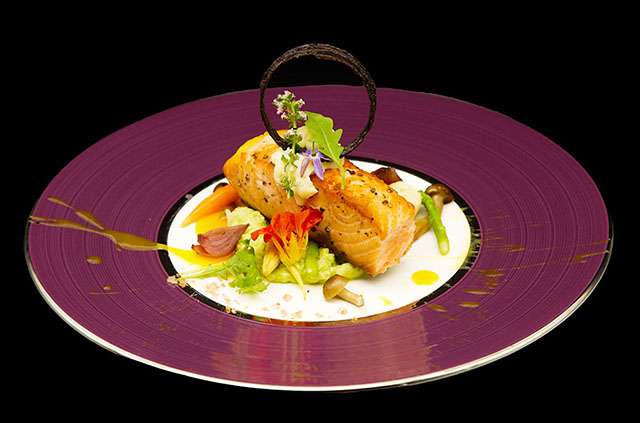
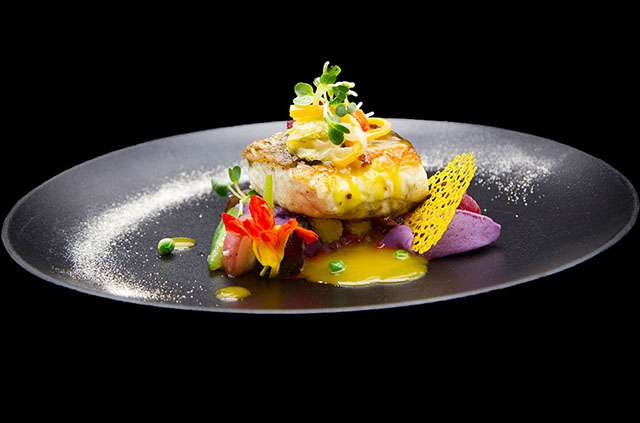
Duong’s food reflects the meeting of Vietnamese ingredients and French culinary influence. Reading about Saigon fusion history can add context to the experience, particularly for visitors who want to understand why familiar local flavours may appear in refined, French-influenced presentations.
Planning The Timing And Booking
The time of your reservation can matter as much as the physical table. An early booking is usually more suitable for quiet conversation, while the dining room may become more animated as the evening progresses. If you want to watch the street, ask for a front-facing seat; if you want privacy, request an inner table with distance from groups and the entrance.
Australian diners may also notice differences in local restaurant customs. In Australia, menu prices generally include the 10% GST, while Vietnamese venues may present charges in a different format, so checking the bill and service details is sensible. Smoking is restricted in enclosed public dining areas under Australian state and territory laws, and visitors should follow the restaurant’s local rules rather than assume Australian standards apply. It is also wise to confirm any Sunday or public-holiday charges, a familiar feature of parts of the Australian dining market but not universal in Ho Chi Minh City.
For broader planning, guest experiences can be useful alongside your own preferences. These traveller dining reviews may help you understand the atmosphere, service, and food from previous visitors. If you enjoy comparing restaurant ideas across cities, this restaurant perspective provides another point of reference, while a discussion of spicy tuna rice shows how texture and presentation can influence the enjoyment of a seafood dish.
When booking Duong Restaurant Saigon, describe the experience you want rather than naming a table you have not seen. Say that you prefer a quiet corner for conversation, a front seat for street views, or a well-spaced table for sharing dishes. Reserve in advance, arrive with enough time to settle in, and let the restaurant team match your request with the evening’s layout. With the right position, dinner becomes an easier way to enjoy both the food and the atmosphere of central Saigon.