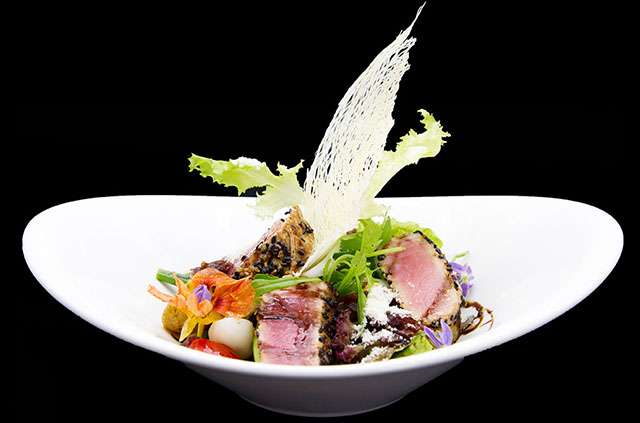
Why presentation makes food taste better
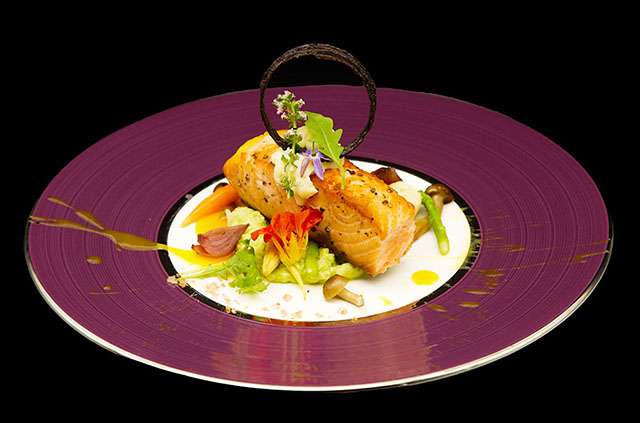
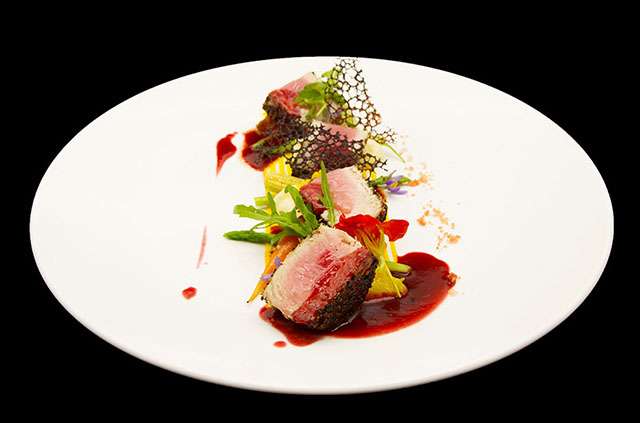
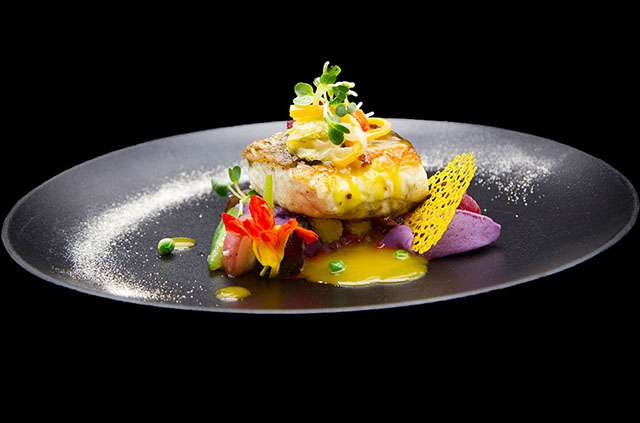
The role of presentation in making food taste better at Duong Restaurant Saigon is more than decorative plating. Before a spoon or chopstick reaches a dish, colour, spacing, gloss and visible texture shape expectations. Those expectations can focus attention on aroma and texture, although no arrangement can rescue a poorly balanced sauce. At its best, presentation makes each ingredient legible while preserving the Vietnamese character of the meal.
Duong Restaurant Saigon brings Vietnamese ingredients and French technique together on Dong Du Street in District 1. Rice noodle beef rolls, tuna steak, seafood, mushroom soup and salads each offer different opportunities for composition. For Australian travellers, that fusion becomes especially clear when the plate feels considered rather than crowded: familiar flavours arrive with enough contrast to invite curiosity.
Appearance sets the first expectation
Colour works like an opening sentence. Green herbs, the sheen of a sauce or the contrast between a golden exterior and a pale filling can suggest freshness and quality before the first bite. At Duong, visual clarity helps diners understand how Vietnamese flavours relate to French methods, turning the plate into a guide rather than a puzzle.
The setting adds another layer. Dong Du’s history explains how the street has developed its own character, and that sense of place becomes part of the restaurant’s visual story. A carefully presented dish within a warm District 1 dining room feels connected to its surroundings.
Balance becomes visible before the first bite
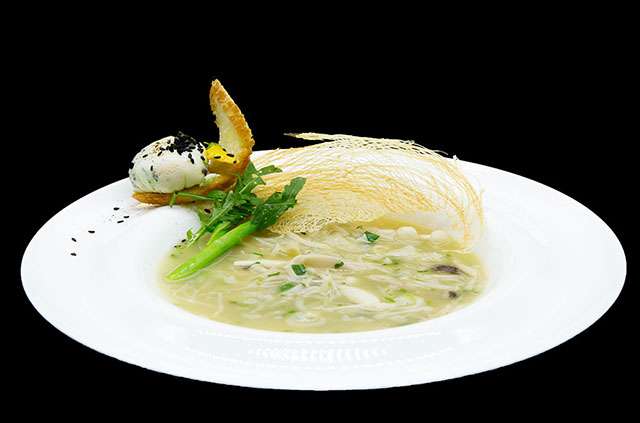
French technique often encourages precision, while Vietnamese cooking celebrates contrasting textures, herbs and concentrated seasoning. Good presentation makes that balance understandable. A mushroom soup might emphasise creamy depth and aromatic garnish, while tuna steak can use space and sauce placement to keep its components distinct.
Duong’s guide to balancing distinct flavours reinforces the principle: neat plating should clarify contrast rather than conceal it. When the diner can see which elements are crisp, tender, fresh or rich, each mouthful feels more intentional and the sequence of flavours becomes easier to enjoy.
Contrast guides the eating sequence
Visual contrast can influence how quickly a dish is eaten and which ingredient receives attention first. Height creates movement, glossy surfaces catch the eye, and a restrained sauce lets the main ingredient remain prominent. These effects influence perception, but they work best when supported by sound cooking.
| Visual cue |
What it communicates |
Effect on tasting |
Possible expression |
| Colour contrast |
Freshness and distinct ingredients |
Heightens interest in herbs, seafood or sauces |
Green garnish against a pale or richly coloured base |
| Negative space |
Confidence and clarity |
Helps the diner identify each component |
A central arrangement without unnecessary crowding |
| Height and layering |
Movement and abundance |
Encourages a more varied first bite |
Rolled elements arranged with visible filling |
| Sauce placement |
Control over each mouthful |
Lets the diner release or contain the sauce |
A restrained pour beside the main ingredient |
| Visible texture |
Crispness or tenderness |
Prepares the palate for mouthfeel |
A crisp edge contrasting with a soft centre |
Texture also creates a useful pause. A crisp element placed prominently may be eaten first, followed by a softer or sauced portion. This pacing can keep a dish lively, particularly when several small components share the plate. The aim is not perfect symmetry; it is a structure that encourages exploration while keeping the food in control.
Texture and aroma change the verdict
Presentation affects aroma because it determines where fragrant ingredients sit and how sauce reaches them. A broth presented with a clear surface can release its aroma as it warms, while herbs added at the right moment contribute freshness rather than disappearing into the dish. Bright garnishes also provide a visual signal for the lighter notes within Vietnamese-inspired cooking.
The connection between appearance and enjoyment continues beyond the plate. For an Australian comparison, before-and-after hike meals shows how sequence, setting and presentation influence the way fuel is experienced. A meal after physical activity may taste more rewarding when it arrives with clear contrasts and deliberate pacing, just as a composed plate can sharpen attention at Duong.
The room completes every plate
Service is part of presentation too. A server’s description of a dish can prepare the diner for its strongest flavour, while an uncluttered table and comfortable spacing allow the food to remain the focus. Duong’s cosy atmosphere gives plated dishes room to feel special without becoming formal or distant.
This matters for a date night, where the visual sequence contributes to a shared sense of occasion. The restaurant’s guide to a romantic evening atmosphere shows how lighting, sound, service and food work together. When the room feels welcoming and each plate reveals itself gradually, the experience feels more connected and memorable.
A familiar rhythm for Australian diners
Vietnamese food is well established around Sydney’s Cabramatta, Melbourne’s Victoria Street and Brisbane’s Fortitude Valley. Many Australians already know the satisfying combination of fresh herbs, noodles, crisp textures and chilli, so they may appreciate seeing familiar elements arranged with Vietnamese and French influences. A dish can look modern while retaining the flavours that already feel comfortable at home.
Australian conversation tends to value direct reactions: “That looks like a beauty” is genuine praise, while “I’m not too keen” clearly signals disappointment. That informality suits Duong’s approach. There is no need to use elaborate restaurant language; diners can simply mention an allergy, ask for guidance or say “no worries” when discussing preferences.
The Australian restaurant market also shapes expectations around service. Menu prices generally include GST, tipping is optional, and popular dinner venues often encourage advance bookings. Clear dietary labelling is increasingly important, especially for guests with allergies. Travellers should communicate requirements when reserving and confirm them with the restaurant rather than assuming an unfamiliar menu can be interpreted from appearance alone.
Plan your Duong experience
Reserve a table for dinner on Dong Du Street and allow time to explore the chef-led menu. Begin with a dish that reveals the restaurant’s Vietnamese foundation, then choose a plate that showcases its French technique. Tuna steak, seafood or rice noodle beef rolls can provide a strong starting point for a shared meal.
Keep the evening balanced by alternating richer dishes with salads, mushroom soup or other Vietnamese-inspired plates. Pay attention to how garnishes, sauce and spacing guide each course, and let the restaurant’s service complete the presentation. Reserve your table through the Duong Restaurant Saigon booking information and step into an experience where every plate is designed to be seen, understood and savoured.