The surprising history of Vietnamese-French fusion cooking
The surprising history of Vietnamese-French fusion cooking is less a neat invention than a long exchange of ingredients, techniques and dining habits. French colonial rule shaped southern Vietnamese kitchens, but cooks combined bread, butter and stocks with fish sauce, rice, tropical herbs and flavours carried by Chinese, Indian and Southeast Asian traditions.
Vietnam’s relationship with France was complicated. Colonial power imposed control and exploitation, yet contact between officials, merchants, cooks and local families also produced adaptations. Baguettes appeared in Saigon bakeries; butter entered some households; soups evolved through Vietnamese kitchens rather than travelling unchanged from Paris.
Many dishes associated with modern fusion kitchens took their familiar forms after the French withdrawal in 1954. Bánh mì became a street food through local reinterpretation of the baguette. Phở, a northern dish with its own history, was served in Saigon with different broths, garnishes and customs. Calling fusion purely colonial misses those decisions.
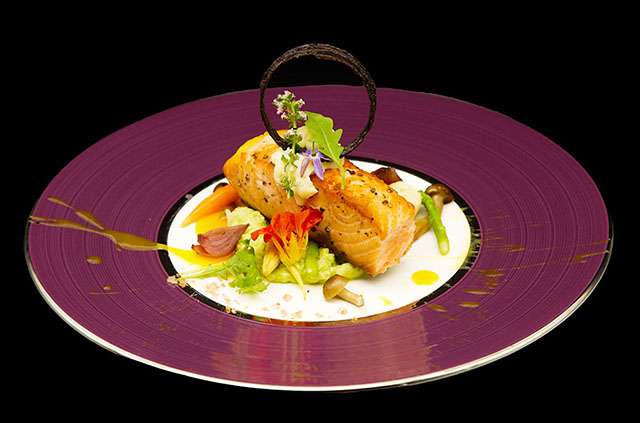
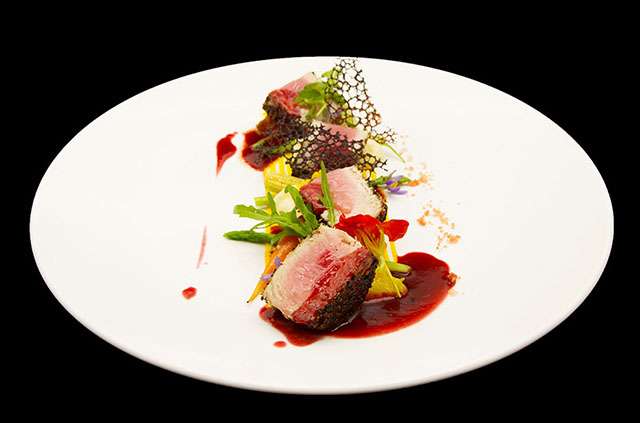
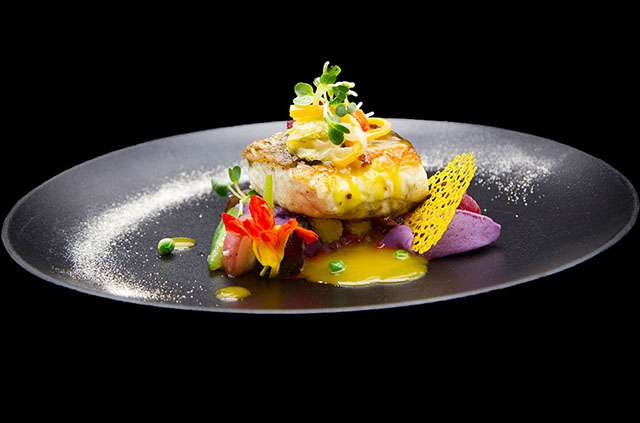
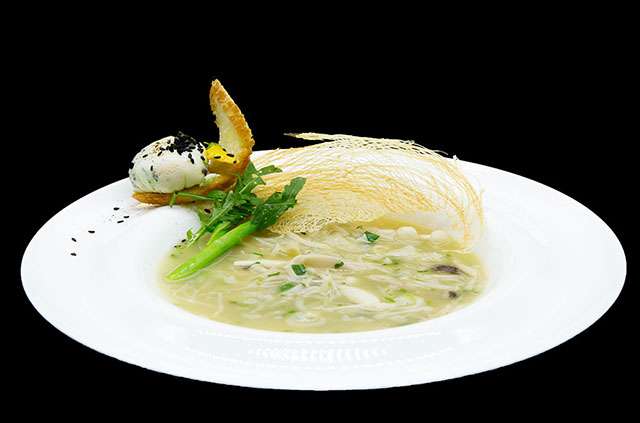
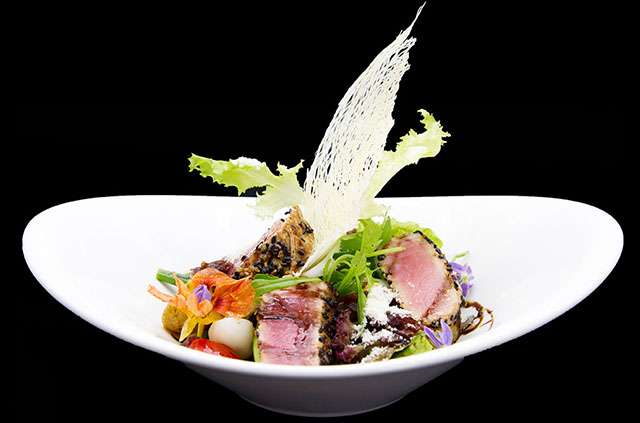
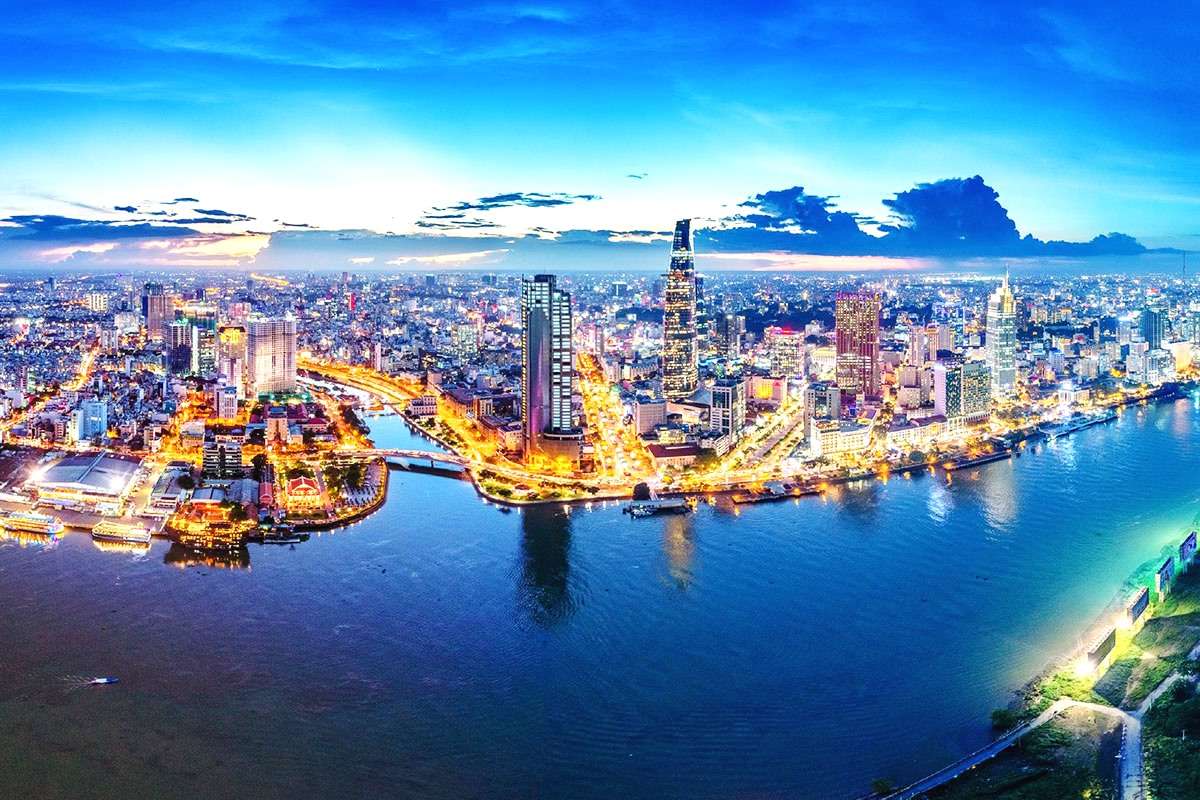
At Duong Restaurant Saigon on Dong Du Street in District 1, Ho Chi Minh City, that layered history meets a chef-led fine-dining menu. Rice noodle beef rolls, seafood, tuna steak, mushroom soup and Vietnamese-inspired salads show how an old exchange can remain creative, personal and distinctly suited to Saigon today.
Colonial encounters and culinary exchange
French Indochina was established in 1887, and Saigon became an administrative and trading centre. French-style cafés, bakeries and hotels became part of the colonial city, while Vietnamese vendors supplied food around ports and markets. The scene was never one-way: European formats met rice noodles, fish sauce, chilli, ginger and abundant herbs.
Some favourites travelled through elite households, including steak, omelettes and coffee with condensed milk. Others were remade in neighbourhoods, where sellers filled baguettes with Vietnamese ingredients and cooks adjusted Western preparations to suit rice, herbs and sour-sweet balances. This was adaptation, not imitation.
The history cautions against treating every Vietnamese dish as French-influenced. Curries reveal Indian and regional connections; phở has northern roots; rice remains central. Fusion draws on several traditions at once. A modern pho with a twist shows how a familiar broth can be refined without erasing its Vietnamese identity.
Baguettes, broths and local ingredients
Bread offers the clearest example. The baguette became embedded in Saigon’s postwar food culture, supporting bánh mì and sandwiches assembled with pâté, pickled vegetables, chilli and herbs. Fine dining can honour that history without reproducing a street-food sandwich: crisp rice noodle beef rolls reinterpret the format through texture and careful seasoning.
Stock offers another route into the exchange. French bistro cooking prizes clarity and careful finishing, while Vietnamese soups build depth through star anise, ginger, fish sauce and fresh herbs. Combining the approaches requires more than pouring two broths together; contrasting ideas must become one balanced bowl.
For a local example, Duong Restaurant Saigon’s take on French onion soup provides a revealing case. A dark onion broth can meet Vietnamese ideas of herbal lift and layered seasoning. The result should taste deliberate: caramel, stock, spice and herbs need to support one another.
From street bites to chef-led menus
Modern Saigon dining brings this history into tasting menus, hotel kitchens and neighbourhood restaurants. Chefs work with French sauces, stocks and pastry methods, then ask what genuinely improves a Vietnamese dish. They might use a French sauce as a bridge, replace dairy with coconut, or serve seafood with a herbaceous salad instead of heavy butter.
| Element |
French base |
Vietnamese base |
Fusion result |
| Bread |
Baguette |
Rice noodles and fresh herbs |
Rice noodle beef rolls reinterpret a sandwich format |
| Broth |
Stocks and slow simmering |
Phở, star anise and herbs |
A familiar broth refined through spice and precise presentation |
| Sauce |
Butter, cream and mother sauces |
Chilli, lime and fermented seasoning |
Rich and sharp flavours balanced in one dish |
These combinations work best when the contrast is clear. A rich broth can be brightened with lime; a crisp roll can carry a bánh mì-inspired filling; tuna steak can be paired with herbs and a sharp sauce. The aim is a coherent plate, not a checklist of colonial references.
For alcohol-free pairings, the same curiosity appears in alcohol-free drink ideas: thoughtful presentation matters as much as the absence of wine. Ginger, citrus, tea and salted fruit can complement layered broths and seafood without overwhelming them.
Fusion flavours and Australian dining habits
For Australian diners, Vietnamese-French cooking rewards habits familiar in Sydney and Melbourne. Shared plates, long lunches and small dishes make a detailed menu easier to appreciate while keeping the meal relaxed.
Dishes worth ordering
- Rice noodle beef rolls, balancing crisp texture with Vietnamese seasoning.
- Seafood with fresh herbs, citrus and chilli rather than heavy cream alone.
- Tuna steak with a balanced sauce that keeps the fish central.
- Mushroom soup with deep savoury flavour and a Vietnamese point of view.
- Salads built around herbs, crunch and bright dressings.
Market shopping prepares Australian palates for these flavours. Asian supermarkets in Sydney’s Cabramatta and Melbourne’s Footscray stock fish sauce, lemongrass, rice noodles, herbs and chillies, often with more choice than mainstream supermarkets. Home cooks can experiment before recognising these ingredients in a restaurant.
Australian dining details
- Weekend brunch and long lunches are common habits, making shared fusion plates a natural fit.
- BYO wine is common in many restaurants, though house drinks and fees vary.
- Liquor licensing differs by state and territory; the legal drinking age is 18 nationwide.
- FSANZ regulates labelling for packaged foods; diners with allergies should ask staff about preparation.
- Fresh-food markets and specialist grocers make Vietnamese staples easy to find.
These are useful parallels, not a straight comparison between Saigon and Australia. Ho Chi Minh City has its own coffee culture, late meals and dining rhythm. What travels well is curiosity: try unfamiliar ingredients, share the table and let a new combination speak for itself.
Why the history still matters
Fusion food is often marketed as novelty, but Duong Restaurant Saigon’s approach suggests something richer. Understanding the exchange helps diners read a menu: crisp and soft, creamy and herbal, rich and acidic can be deliberate contrasts rather than inconsistencies. Vietnamese cooks were active makers, not passive recipients.
Contemporary restaurant innovation examples invite the same question: which borrowed techniques still make sense after local ingredients and dining habits reshape them? A French method can provide structure, but the plate should feel of its place. The history connects food to migration and adaptation, not a trend.
Taste the history on Dong Du. Duong Restaurant Saigon welcomes curious diners in District 1 to experience its cosy atmosphere, chef-led dishes and fusion menu. Check the reservation details before visiting.
Make a meal in Ho Chi Minh City part of the journey. Discover how French technique and Vietnamese flavours meet, then reserve your table at Duong Restaurant Saigon and taste the story for yourself.