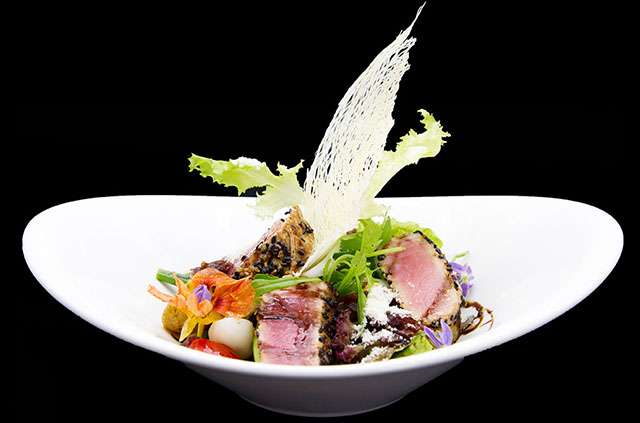
What locals order at Duong Restaurant Saigon that tourists often miss
Many visitors to Ho Chi Minh City arrive with a predictable restaurant order: tuna steak, seafood or a steak finished with French technique. That list misses the choices that can feel more recognisably Saigon to local diners, where balance, delicate wrappers and fresh herbs matter as much as a dramatic centrepiece.
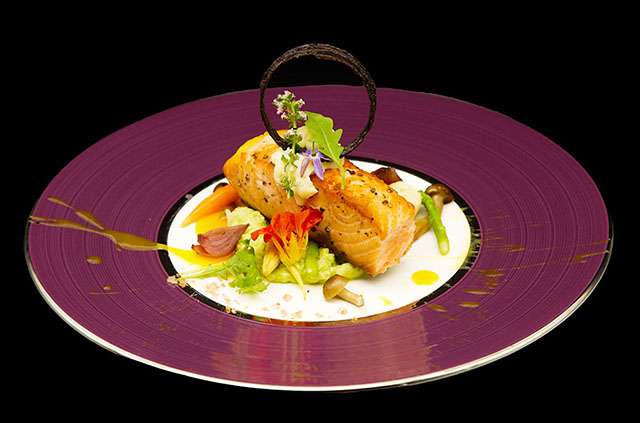
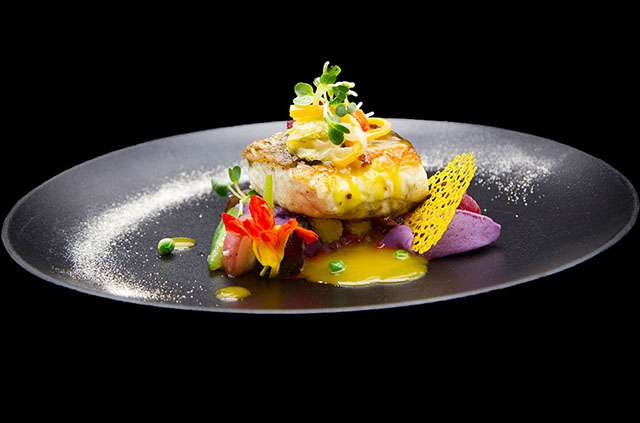
Duong Restaurant Saigon brings Vietnamese flavours into a chef-led fine-dining setting on Dong Du Street in District 1. Its kitchen is known for composed seafood, rice noodle beef rolls, mushroom soup, salads and Vietnamese references, while the compact, cosy room creates a gentler experience than the district’s busiest dining rooms.
For Australian travellers, the best approach is to arrive curious but not unfamiliar. Diners from Melbourne and Sydney already know the appeal of Vietnamese herbs and noodles; the discovery lies in how these familiar flavours are seasoned, layered and paired here.
Why local palates notice different favourites
Vietnamese meals rarely rely on one dominant flavour. Fresh herbs, pickled vegetables, chilli, broth and contrasting textures work together, so experienced diners often value balance before intensity. Tourists may search for the most substantial or unfamiliar plate, while local customers are more likely to notice whether each component has a purpose.
That preference makes the rice noodle beef rolls and mushroom soup especially interesting choices. They may appear less dramatic than tuna or seafood, but they reveal how the kitchen understands Vietnamese flavour and combines it with precise restaurant cooking.
Dishes tourists often walk past
The rice noodle beef rolls are a particularly good example. Their familiar ingredients and soft, delicate character make them accessible to anyone who enjoys Vietnamese food, yet the presentation reflects Duong’s chef-led approach. Sharing one at the beginning of the meal also creates an immediate contrast with richer plates.
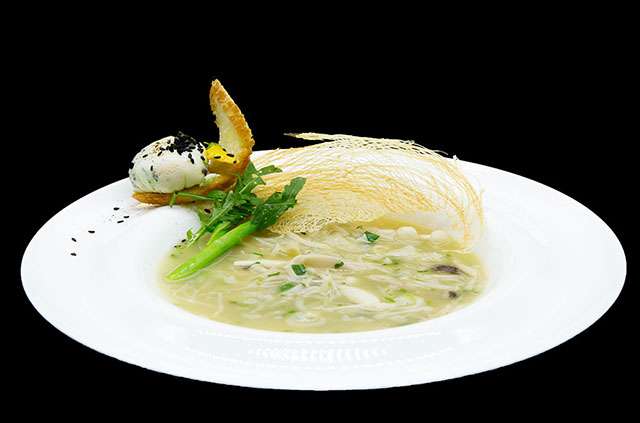
Mushroom soup offers another route into the menu. Warm and savoury without needing to dominate the table, it suits diners who prefer restrained seasoning and appreciate the depth of a broth-based course. It is also easier to overlook when seafood and steak occupy the centre of the menu description.
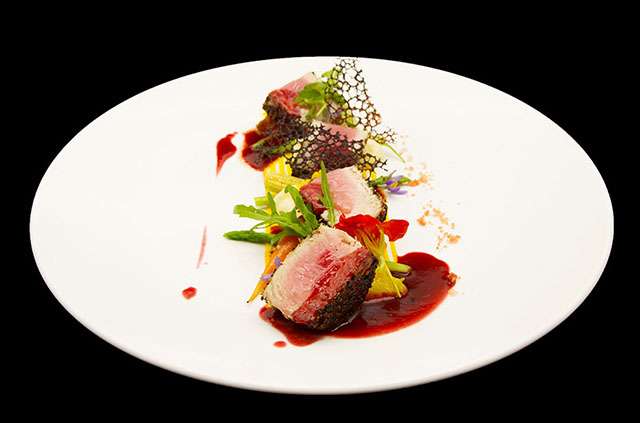
Salads are more than an accompaniment here. Their herbs, crunch and acidity can reset the palate between richer dishes, making them a local-minded choice rather than a routine side order. Tuna steak, by contrast, expresses the restaurant’s French influence clearly, while the technique behind its light, crisp seafood gives the seafood menu an especially delicate finish.
Comparing the menu’s quieter strengths
A short comparison helps when several less-obvious choices compete for attention.
| Dish |
Local appeal |
Why visitors may skip it |
Best way to order it |
| Rice noodle beef rolls |
Familiar Vietnamese flavours with a composed finish |
Less dramatic sounding than tuna or seafood |
Order early and share |
| Mushroom soup |
Warm, savoury and gently layered |
It does not attract the same attention as seafood |
Try it as a first course |
| Vietnamese-inspired salads |
Freshness, herbs and textural contrast |
Easy to mistake for a simple side |
Choose before heavier dishes |
| Lightly battered seafood |
Crisp coating with a delicate centre |
Some travellers save seafood for the main course |
Order while it is freshly served |
| Tuna steak |
A clear expression of the French influence |
Often chosen first, ahead of the best pairings |
Let the chef guide the sequence |
Rather than ordering a steak and seafood immediately, share one or two of these lighter plates first. This approach follows the Vietnamese habit of balancing several small flavours and gives the kitchen’s seasoning more room to stand out.
How the chef-led format changes dinner
Duong’s format is more than a list of individually impressive dishes. The restaurant’s guide to a chef’s tasting menu explains how courses can build in temperature, texture and intensity. Ordering that way allows the kitchen to connect Vietnamese foundations with French technique across the meal.
For a first visit, the tasting progression is especially useful for understanding what local palates appreciate. It also reduces the risk of selecting only the most expensive or familiar-looking plates. Guests with allergies or dietary requirements should discuss them with the team before the meal begins, since fish, shellfish, soy and gluten may appear across several preparations.
Australian habits meet Saigon dining
For diners from Melbourne and Sydney, Vietnamese cuisine is no longer an occasional novelty. Established communities, neighbourhood bakeries and Vietnamese restaurants have made the region’s flavours familiar, so precision and balance become more interesting than novelty alone.
Australian lunch routines often revolve around set lunch specials, takeaway or a quick meal with colleagues, while dinner is more likely to be booked in advance. The same planning works at Duong: reserve ahead, request an earlier seating if possible and allow the kitchen’s slower pacing to become part of the experience.
Local markets reflect this familiarity. Cabramatta in Sydney and Richmond in Melbourne have Asian supermarkets stocked with Vietnamese herbs, greens, limes, noodles and rice paper, while many mainstream Australian supermarkets now carry selected ingredients. Those same flavours can therefore be appreciated without treating them as completely foreign.
Sauce is another useful point of comparison. A dipping sauce should sharpen rather than conceal the food, a lesson reinforced by this explanation of sushi and soy sauce. The same restraint keeps mushroom broth, salad dressing and crisp seafood distinct.
State and territory food-business rules, alongside national food standards, govern hygiene, allergen controls, temperature handling and traceability. Australian diners should still inform staff about allergies, particularly when ordering dishes that may combine fish, shellfish, soy or wheat.
Plan your visit with confidence
Check current menu availability, opening details and reservation options through Duong Restaurant Saigon before your visit, especially for weekend evenings and popular dinner times.
Dishes worth asking about
- Rice noodle beef rolls for a delicate Vietnamese beginning
- Mushroom soup as a restrained, savoury first course
- A Vietnamese-inspired salad for herbs and textural contrast
- Lightly battered seafood for the kitchen’s crisper technique
- Tuna steak within a guided progression rather than as an isolated main
Details to arrange before arrival
- Reserve dinner, particularly on weekends
- Ask whether the menu is being offered à la carte or as a tasting
- Share early dishes so several flavours can be compared
- Declare allergies before the chef begins the progression
- Allow time for dinner and travel through District 1
Reserve your evening at Duong Restaurant Saigon, begin with the mushroom soup or rice noodle beef rolls, and let the remaining courses reveal the balance that visitors often arrive too late to discover.