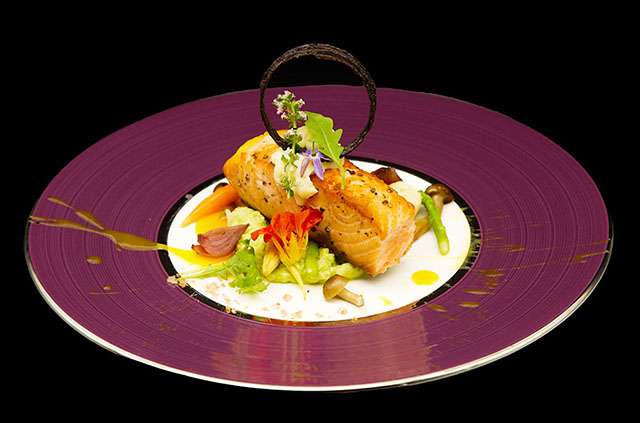
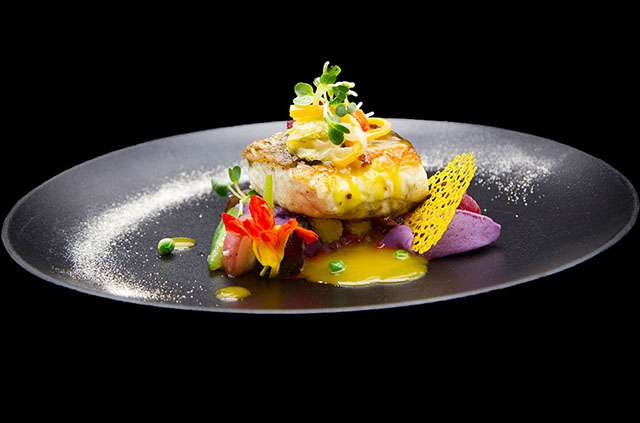
Fireworks on the menu: Duong's flambéed dishes
At Duong Restaurant Saigon on Dong Du Street in District 1, Ho Chi Minh City, the fireworks on the menu are culinary and theatrical. A brief flame can lift a dish's aroma, deepen its browning and turn service into a live performance. The effect suits a restaurant built around Vietnamese and French fusion, chef-led cooking and a cosy atmosphere.
The fire is not smoke and spectacle for its own sake. It is a controlled finishing technique, most convincing when the ingredients still taste distinctly Vietnamese: lime, herbs, chilli, sweet seafood and savoury broth. This close look at flambéed dishes, the seafood bisque and good ordering strategy explains how to let the flame support the food.
Where the flame fits on the menu
At Duong, flame works best as the final point in a chef's sequence, not a trick applied to every plate. The restaurant's seafood bisque guide shows the kitchen's fusion instinct: a French-leaning bisque meets Vietnamese seafood and aromatics, while any theatrical finish must preserve the soup's depth.
The comparison below separates each dish's foundation from the effects a brief flame can create.
| Dish direction |
Vietnamese anchor |
French connection |
Possible role for flame |
| Seafood bisque |
Seafood sweetness and Vietnamese aromatics |
Creamy bisque preparation |
Roasted aroma and a concentrated finish |
| Rice-noodle beef rolls |
Rice noodles, beef and fresh herbs |
Rolled presentation and precise browning |
Crisp edges with a moist filling |
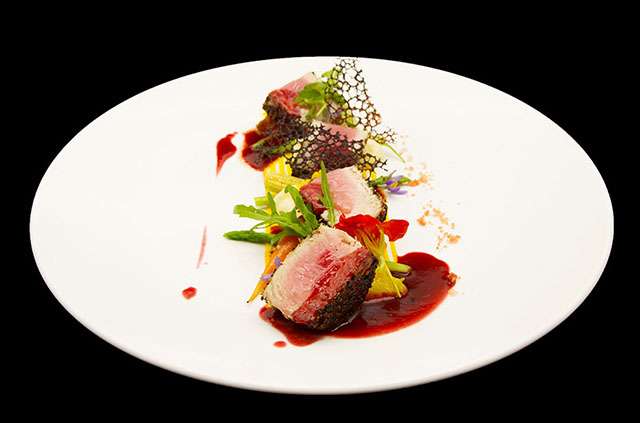
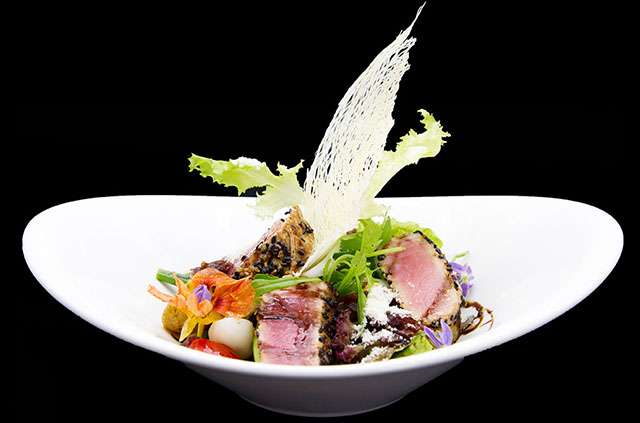
| Tuna steak |
Tuna, ginger, lime and chilli |
Classic sear-and-sauce technique |
Deeper sear, stronger aroma and contrasting texture |
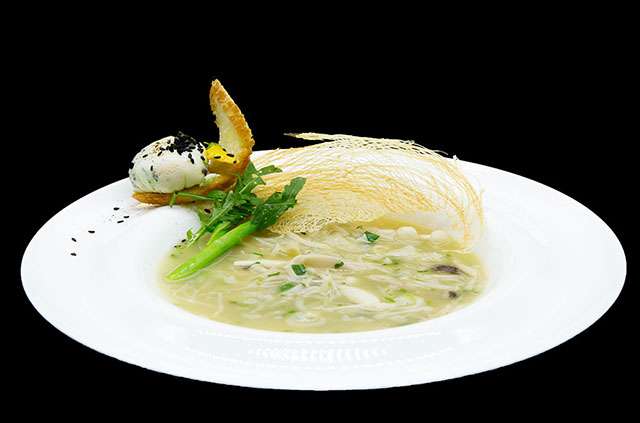
| Mushroom soup |
Savoury mushrooms and deep broth |
Rustic soup methods |
Roasted depth and a richer finish |
Menus change, and the chef may reserve the technique for particular services. A tuna steak might be seared for balance rather than flamed, while mushroom soup may gain its depth from long cooking. Ask what is being flame-finished that evening; that distinction stops theatre from replacing sound cookery.
Vietnamese flavours with a French spark
For useful context, Vietnam's cultural history shows how French culinary vocabulary entered Vietnamese life while local ingredients and tastes remained central. At Duong, that inheritance appears in tension: familiar broths, noodles and herbs sit beside cream sauces, wine service and techniques borrowed from French kitchens.
Flambé adds another layer to that dialogue. It can make seafood smell brighter as the plate reaches the table and lend beef or tuna a polished restaurant finish. The technique succeeds when flame reveals texture built through careful preparation rather than disguising undercooked food. For visitors combining Ben Thanh Market with a meal in District 1, the contrast is part of Saigon itself: brisk market energy followed by Duong's softer, deliberate setting.
What a brief flambé changes
Intense heat promotes browning and savoury roasted notes, while aromas from garlic, ginger, herbs or alcohol rise as the dish leaves the kitchen. That burst of scent is part of the pleasure and gives the plate a moment a photograph cannot reproduce. Flame is sensitive to the ingredient: thin tuna can dry quickly, mushrooms catch roasted flavour, and dense beef rolls need less exposure.
Alcohol used for ignition normally leaves little raw spirit in a correctly timed burn, though the dish should never taste harsh or boozy. Safe service depends on controlled heat, suitable cookware and staff attention. Let the kitchen team manage the sequence; the performance is secure and flavourful only when it stays in expert hands.
Matching wine to the performance
Wine makes the flame's effects easier to read. Crisp, aromatic whites echo its lift, fuller whites suit creamy bisque, and a lightly chilled red can work with beef. The restaurant's Vietnamese wine pairings offers a practical framework for balancing acidity, body and spice.
Australian wine drinkers already know useful reference points in Sauvignon Blanc, unoaked Chardonnay and sparkling styles. Matching should still begin with the dish: herbs and lime favour brighter wine, mushroom soup welcomes texture, and rich seafood needs enough acidity to stay lively. A faint smoky note from flame can clash with heavy oak, so keep the bottle lighter and let the food lead.
An Australian perspective on the evening
The experience lands differently depending on where an Australian guest comes from. Sydney and Melbourne diners are used to busy Friday and Saturday dining rooms and often reserve ahead for chef-led menus or long shared meals. The same habit suits Ho Chi Minh City, where a planned dinner is less likely to become a rushed stop between attractions.
Customs need a quick adjustment. Tipping is optional in Australia, and advertised restaurant prices normally include GST; at Duong, check the bill for any service charge before adding anything for good service. Seasonal timing also runs in reverse. In January, Sydney and Melbourne are in midsummer while Saigon enters its cooler dry season, making an evening meal especially comfortable after a warm daytime.
Coffee provides another familiar thread. Many Australians finish with a flat white, espresso or cappuccino, and this guide to Italian coffee variations clarifies the differences between those classic orders. The café ritual may differ from Saigon's late-night coffee culture, but it offers a familiar way to compare aroma and intensity after tasting Duong's more aromatic flame-led plates.
A practical way to order the flame-led dishes
Flambéed dishes work best within a paced meal. Start with a salad or lighter seafood preparation, move into a richer soup, then let the flame-led plate arrive when the group can share it. This preserves appetite and gives each course a clear role. A few ordering choices can shape the meal well:
- Ask which dish is being flambéed that evening and whether the finish is served tableside.
- Begin with a salad or lighter seafood course to sharpen the palate.
- Try the mushroom soup between delicate seafood and richer beef.
- Order the tuna steak for contrast, treating its sauce and sides as part of the composition.
- Share the rice-noodle beef rolls while their crisp edges are at their best.
The chef-led menu is the best guide when specials change. Mention allergies, chilli preferences and cooking requirements when ordering, and leave enough time to enjoy the food at the pace the kitchen intends.
Reserve your flame-led dinner in Saigon
Duong Restaurant Saigon is on Dong Du Street in District 1, making it well suited to an evening alongside the city's central sights. Reserve ahead, check the current chef-led menu and mention dietary needs when booking. The team can confirm which preparation is available and whether a theatrical finish is planned for the night.
Book your table and arrive ready to watch, smell and taste the menu come alive. At Duong, the flambé is a compact expression of the restaurant's Vietnamese and French fusion story: flame, fragrance and precise hospitality in one memorable meal.