Why Duong Restaurant Saigon’s Chef Prefers Clay Pots
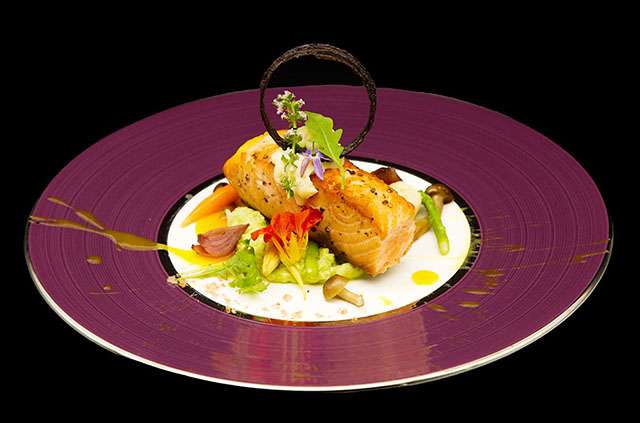
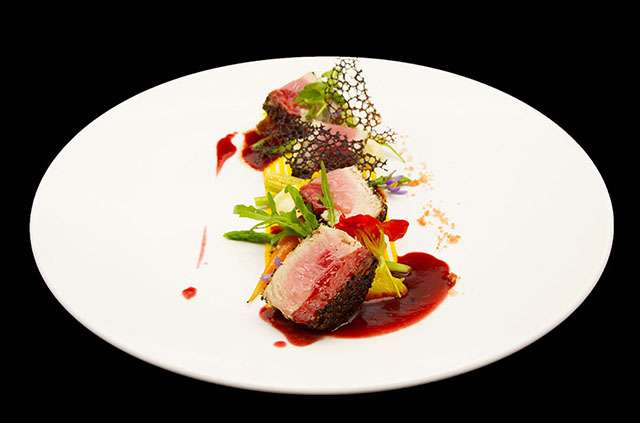
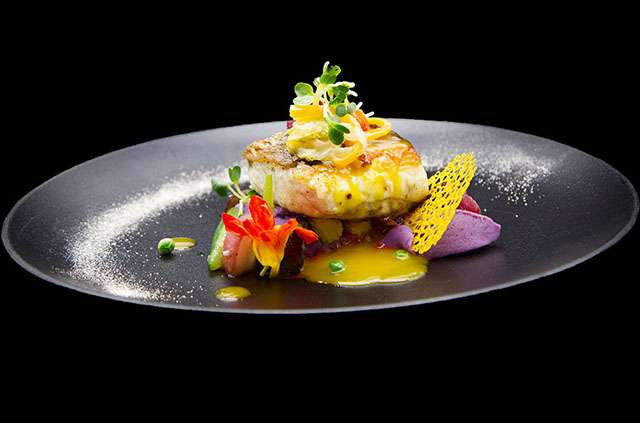
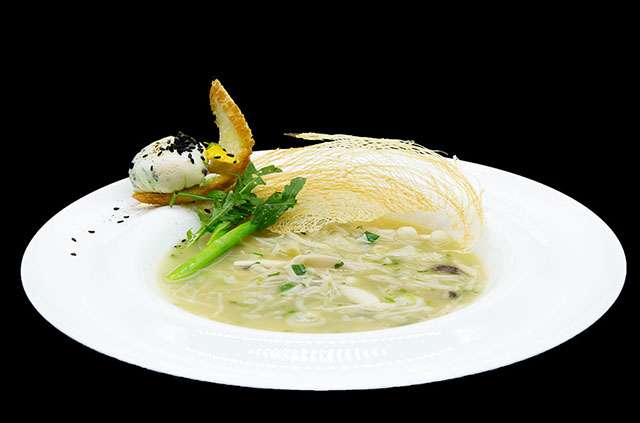
Why Duong Restaurant Saigon’s Chef Prefers Clay Pots for Slow Cooking becomes clear in the first few minutes of a carefully prepared dish. The pot holds heat steadily, protects delicate ingredients from harsh boiling, and allows sauces to reduce gradually. In a Vietnamese and French fusion kitchen, that control helps the chef build flavour without losing the freshness that defines the cuisine.
Clay cookware also brings a sense of place to the meal. Across Vietnam, earthenware pots are associated with braised fish, caramelised pork, seafood, and vegetable dishes cooked until their flavours merge. At Duong Restaurant Saigon on Dong Du Street, this traditional method fits naturally with a menu that combines Vietnamese techniques and refined presentation.
For Australian diners used to cast-iron casseroles, stainless-steel saucepans, and modern induction kitchens, the difference is easy to appreciate. A clay pot offers a gentler cooking rhythm, much like a slow Sunday meal in Melbourne during winter or a relaxed dinner after exploring central Ho Chi Minh City.
| Cooking Vessel |
Heat Behaviour |
Best Result |
Flavour Character |
| Clay pot |
Gentle, even, and well retained |
Braises, seafood, sauces |
Deep, rounded, and layered |
| Stainless steel |
Fast and responsive |
Sautéing and boiling |
Clean and direct |
| Cast iron |
Strong heat retention |
Roasting and hearty stews |
Rich and robust |
| Non-stick pan |
Quick, low-friction cooking |
Delicate frying |
Light and controlled |
Gentle Heat Builds Deeper Flavour
A clay pot warms gradually, which gives meat, seafood, vegetables, and aromatics time to release their natural juices. Instead of a rapid boil that can toughen protein or break apart soft ingredients, the food simmers at a calm, consistent pace. This is particularly useful for caramel-based Vietnamese braises, where sugar, fish sauce, stock, and spices need time to become balanced.
The enclosed shape also reduces moisture loss. Steam circulates inside the vessel, keeping ingredients tender while the sauce slowly thickens. The result is a concentrated glaze rather than a thin, watery broth. That depth is one reason slow-cooked dishes pair so well with steamed rice and fresh salads.
A Natural Match For Vietnamese Ingredients
Vietnamese cooking depends on contrast: sweet and salty sauces beside fresh herbs, crisp vegetables against tender meat, and fragrant spices balanced by acidity. Clay cooking supports this harmony because it develops the savoury base without overwhelming lighter ingredients.
Duong’s approach draws on familiar pantry elements while presenting them with a fine-dining sensibility. Diners who want to understand the flavour foundations can explore these distinctive Vietnamese ingredients before choosing a dish. The guide offers useful context for ingredients such as fish sauce, rice paper, herbs, and aromatic spices.
Why Seafood Benefits From Earthenware
Seafood requires precision. Prawns, fish, squid, and scallops can become dry or rubbery when exposed to aggressive heat, especially in a busy commercial kitchen. A clay pot provides a forgiving cooking environment, allowing sauces and aromatics to infuse the seafood while helping it remain moist.
This method is especially appealing for Australian guests who value fresh coastal produce, from Sydney rock oysters to Queensland prawns and Tasmanian seafood. The cooking style respects the ingredient rather than covering it with heavy seasoning. Vietnamese herbs, citrus, chilli, and fermented notes can remain distinct within the finished dish.
French Technique Meets Vietnamese Tradition
The restaurant’s fusion identity makes clay cookware more than a nostalgic detail. French cuisine also values slow reduction, careful temperature control, and the gradual layering of stock, wine, butter, and aromatics. Clay cooking complements these principles while bringing Vietnamese ingredients and seasoning into the process.
A chef can begin with a fragrant base, add a carefully balanced sauce, and allow the pot to do much of the work. This makes room for techniques such as reduction and finishing while retaining the warmth and earthiness of Vietnamese braising. The result can feel polished without becoming disconnected from its regional roots.
Texture Matters As Much As Taste
Slow cooking changes texture in ways that quick frying cannot. Tougher cuts become yielding, mushrooms absorb surrounding sauce, and vegetables soften while retaining enough structure to remain interesting. Rice noodle beef rolls and similar dishes benefit from contrast, with tender fillings complemented by fresh leaves, herbs, or a sharp dipping sauce.
For Australian diners accustomed to judging a meal by texture as carefully as seasoning, this is a meaningful part of the experience. A well-cooked dish should provide several sensations across one plate: silky sauce, tender protein, fresh garnish, and perhaps a crisp element for balance.
Clay Pots Bring The Meal To The Table
The vessel continues to hold heat after leaving the kitchen, so food arrives warm and aromatic. That presentation suits Duong’s cosy atmosphere, where guests can take time with a meal instead of rushing between courses. It also makes slow-cooked dishes feel generous and communal, reflecting the Vietnamese habit of sharing food at the centre of the table.
The choice between indoor comfort and open-air dining can shape how these aromas are experienced. Duong’s guide to indoor and outdoor dining explains the different atmospheres available. For visitors from Brisbane or Perth, an outdoor table may feel familiar, while the indoor setting offers a quieter escape from District 1 traffic.
A Slower Pace Suits Saigon Dining
Clay-pot cooking reflects a broader attitude to dining: flavour is allowed to develop, and guests are encouraged to notice the details. This can be a welcome change for Australians used to quick weekday dinners, lively Sydney restaurant bookings, or a fast meal between Melbourne appointments. Slow cooking does not mean heavy food; it means giving ingredients enough time to become harmonious.
The experience also pairs naturally with a day of sightseeing. After visiting the Central Post Office, travellers can continue their exploration with a considered meal on Dong Du Street; a practical Central Post Office guide helps place the landmark within a wider Ho Chi Minh City itinerary. Reserving ahead is sensible during busy travel periods and around Australian school-holiday dates.
Choose a table at Duong Restaurant Saigon and experience how steady heat, Vietnamese ingredients, and French-inspired care come together in a clay-pot dish. A relaxed meal on Dong Du Street offers a memorable way to taste Ho Chi Minh City through food that is patiently cooked, thoughtfully presented, and designed to be shared.