The Craft Behind Duong Restaurant Saigon’s Tuna Steak
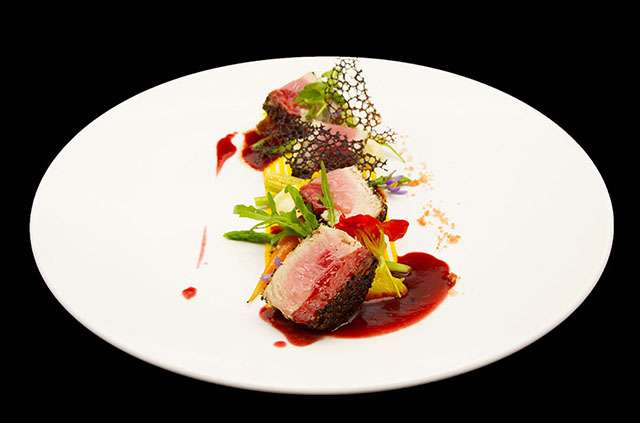
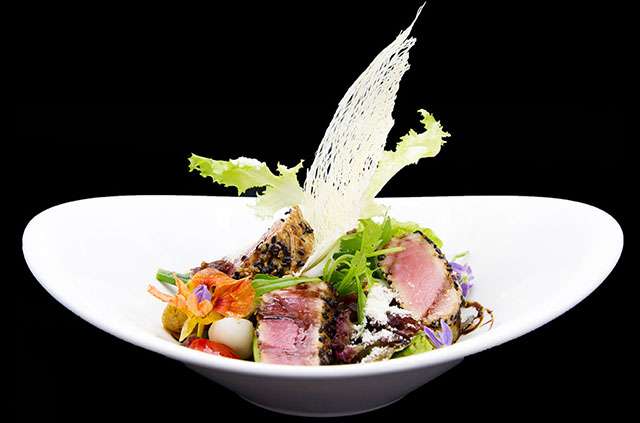
At Duong Restaurant Saigon on Dong Du Street, tuna steak is cooked medium-rare to preserve the fish’s delicate texture, clean flavour and natural juiciness. The method gives the outside a warm, lightly seared surface while keeping the centre tender and rosy.
For Australian diners, this style will feel familiar. Many people in Sydney, Melbourne, Brisbane and Perth are comfortable ordering premium seafood rare or medium-rare, particularly when the ingredient is fresh and handled carefully. It suits a dining culture that values produce, balance and a clear sense of quality.
The dish also reflects Duong’s Vietnamese and French fusion approach. French technique provides the controlled sear and precise cooking, while Vietnamese influences bring aromatic herbs, bright seasoning and a lighter, more expressive finish than a heavy steakhouse preparation.
A medium-rare centre is therefore a deliberate choice rather than an unfinished stage. It allows the tuna to remain the focus, giving guests a composed dish that works beautifully within a fine-dining meal in Ho Chi Minh City.
| Cooking style |
Texture |
Flavour experience |
Best suited to |
| Rare |
Very soft and cool in the centre |
Delicate, clean and almost sashimi-like |
Diners who enjoy raw or lightly seared tuna |
| Medium-rare |
Warm, moist and tender |
Balanced seared flavour with a fresh centre |
Duong’s refined fusion preparation |
| Medium |
Firmer with less moisture |
More pronounced cooked seafood character |
Guests wanting a more developed texture |
| Well-done |
Dense and comparatively dry |
Stronger cooked flavour, less subtlety |
Those who prefer fish fully cooked |
A Precise Balance Of Heat And Texture
Tuna has a naturally lean structure, so prolonged heat can quickly make it firm and dry. A hot pan or grill sears the exterior rapidly, creating gentle browning without forcing the centre to cook through. The result is a steak that can be sliced cleanly while still feeling soft on the palate.
This balance matters in a restaurant setting. The fish needs enough heat on the outside to deliver a satisfying cooked aroma, but the centre should retain the moisture that makes high-quality tuna appealing. Medium-rare sits between raw seafood and a fully cooked steak, offering a layered texture in every bite.
Why Tuna Benefits From A Short Sear
Unlike a fatty beef cut, tuna does not have extensive marbling to protect it during cooking. Its appeal comes from freshness, fine texture and subtle flavour. A quick sear respects those qualities instead of masking them with excessive heat, rich sauces or lengthy cooking.
The preparation also lets the dish fit naturally into Duong’s broader menu. Vietnamese-inspired salads, seafood dishes, mushroom soup and rice noodle beef rolls bring different textures and aromas, while the tuna offers a clean, elegant centrepiece. Guests can explore the menu without every course feeling heavy.
Vietnamese Flavours Meet French Technique
The cooking style reflects the restaurant’s chef-led identity. French culinary technique often focuses on temperature control, reduction and presentation, while Vietnamese cooking brings freshness through herbs, citrus, chilli, aromatics and fermented notes. Medium-rare tuna provides a restrained canvas for this combination.
Ingredients such as fish sauce, pepper, herbs and local produce can add depth without overwhelming the fish. Duong explains more about the flavours behind its menu in this guide to Vietnamese ingredients, which helps Australian visitors recognise why the dish tastes distinctly Vietnamese even when its cooking method feels classically European.
What Australian Diners Can Expect
Australian seafood culture makes medium-rare tuna an approachable choice. At modern restaurants around Melbourne’s Flinders Lane, Sydney’s Barangaroo and Brisbane’s river precinct, diners often see seared tuna paired with citrus, herbs, grains or Asian-style dressings. Duong’s version belongs to that same broad conversation, while giving it a distinctly Saigon setting.
The local market also rewards transparency about seafood preparation. Australian guests are accustomed to menus that describe cooking temperatures and ingredient origins, and they often appreciate being able to request guidance from the floor team. If you usually order tuna rare, medium-rare should feel familiar; if you prefer fish fully cooked, the kitchen can help explain the available preparation.
Details That Shape The Experience
- A hot cooking surface creates colour and aroma on the outside.
- A short cooking time protects the tuna’s moisture.
- Vietnamese herbs and seasoning keep the flavour bright.
- Careful slicing makes the tender centre easy to appreciate.
- Portioning helps the dish sit comfortably within a multi-course meal.
Pairing The Tuna With The Rest Of The Meal
A medium-rare tuna steak works especially well with drinks that refresh the palate rather than compete with its gentle flavour. Citrus, ginger, herbs and light sweetness can echo the seasoning, while a heavily creamy or intensely tannic pairing may cover the fish’s finer notes.
For guests avoiding alcohol, Duong’s guide to non-alcoholic pairings offers useful direction. This is particularly relevant for Australian travellers, where alcohol-free dining has become increasingly visible across restaurant menus, from Sydney wine bars to Melbourne tasting rooms.
The dish can also be considered as part of a chef-led progression rather than ordered in isolation. Contrasting courses allow the tuna’s freshness to stand out, especially when followed by richer seafood or savoury Vietnamese preparations.
A Dish Designed For A Fine-Dining Setting
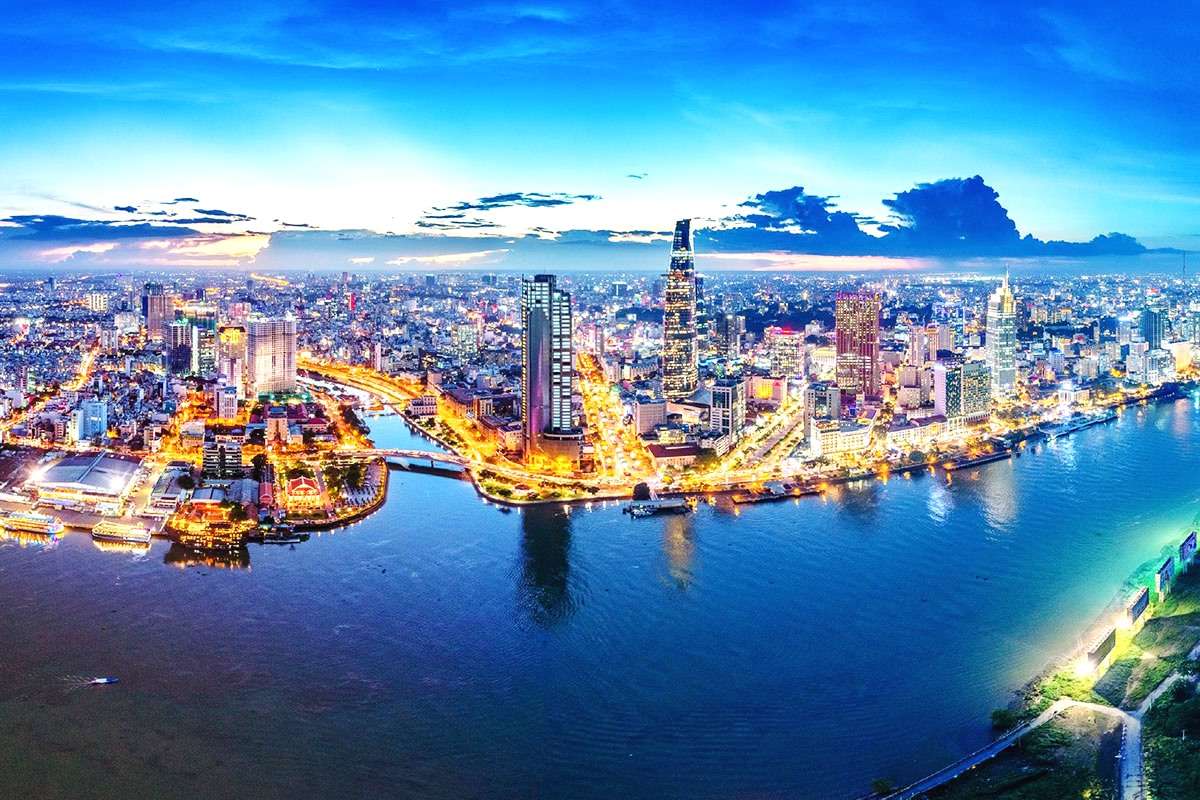
At Duong Restaurant Saigon, the medium-rare tuna is part of a wider experience shaped by presentation, service and atmosphere. The restaurant’s location on Dong Du Street places it close to the energy of District 1, yet the dining room offers a more composed setting for an evening meal after exploring central Saigon.
Australian visitors often plan restaurant bookings around travel itineraries, especially after walking through Ben Thanh Market, visiting the Saigon Central Post Office or spending an afternoon along Nguyen Hue Walking Street. A carefully cooked tuna course provides a polished change of pace from casual street food while retaining Vietnamese character.
The same attention to pacing appears in a tasting-menu format. Those interested in how a chef-led sequence unfolds can read what to expect from a chef’s tasting menu, where the tuna may be appreciated as one part of a broader culinary story.
When Medium-Rare Is The Right Choice
Medium-rare is ideal for diners who want tuna that is warm at the edges, tender in the middle and expressive enough to pair with delicate Vietnamese flavours. It offers a satisfying middle ground for guests who enjoy sashimi but want the aroma and structure of a cooked dish.
Food safety depends on the quality, storage and handling of the fish, as well as the restaurant’s kitchen procedures. Diners with particular health concerns should speak with the restaurant team before ordering. For most guests seeking a refined seafood course, the preparation demonstrates why temperature and timing are central to the dish.
Reserve a table at Duong Restaurant Saigon on Dong Du Street and experience the tuna steak as the chef intended: quickly seared, carefully balanced and served with the bright character of Vietnamese-French cuisine.